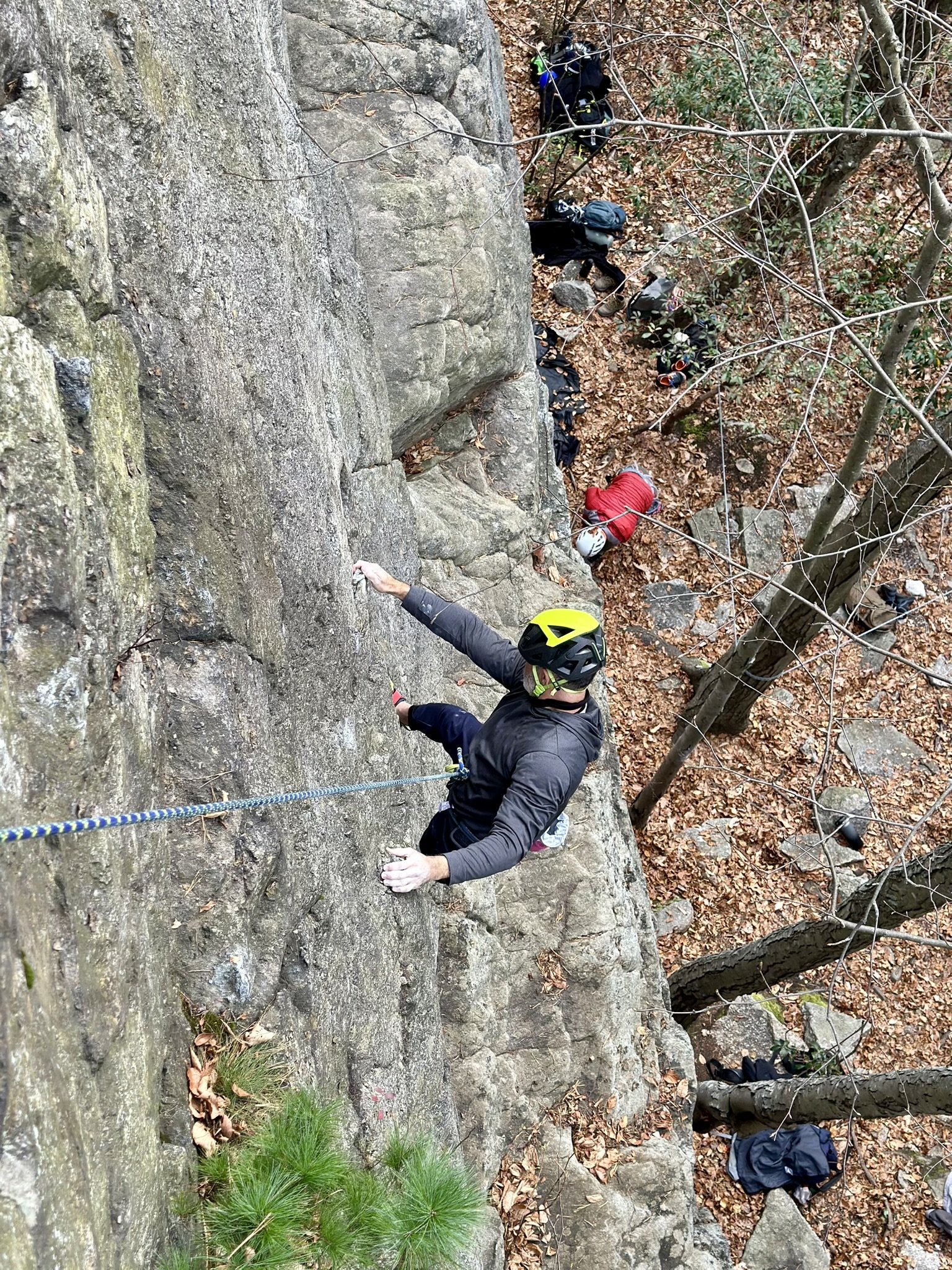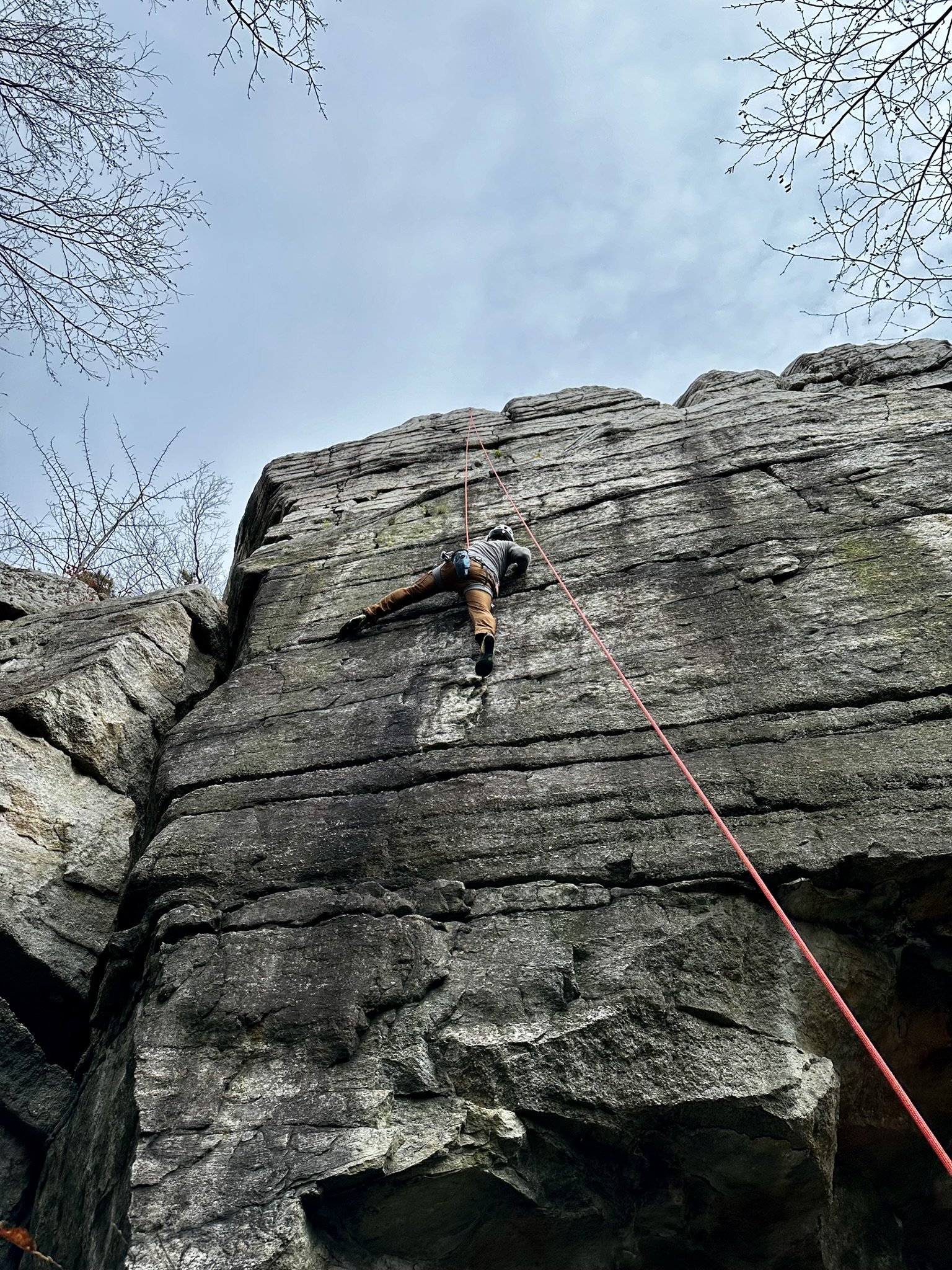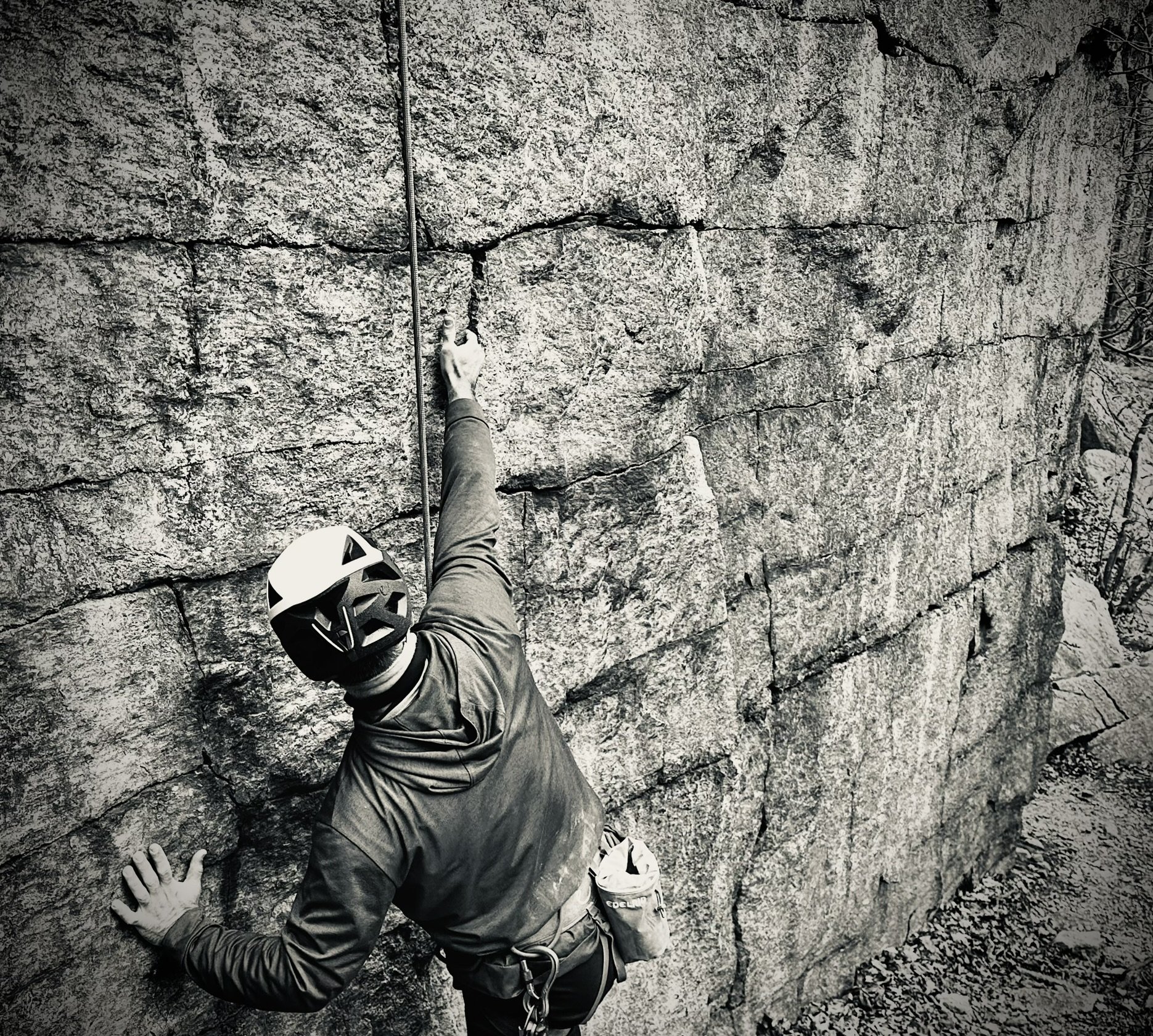


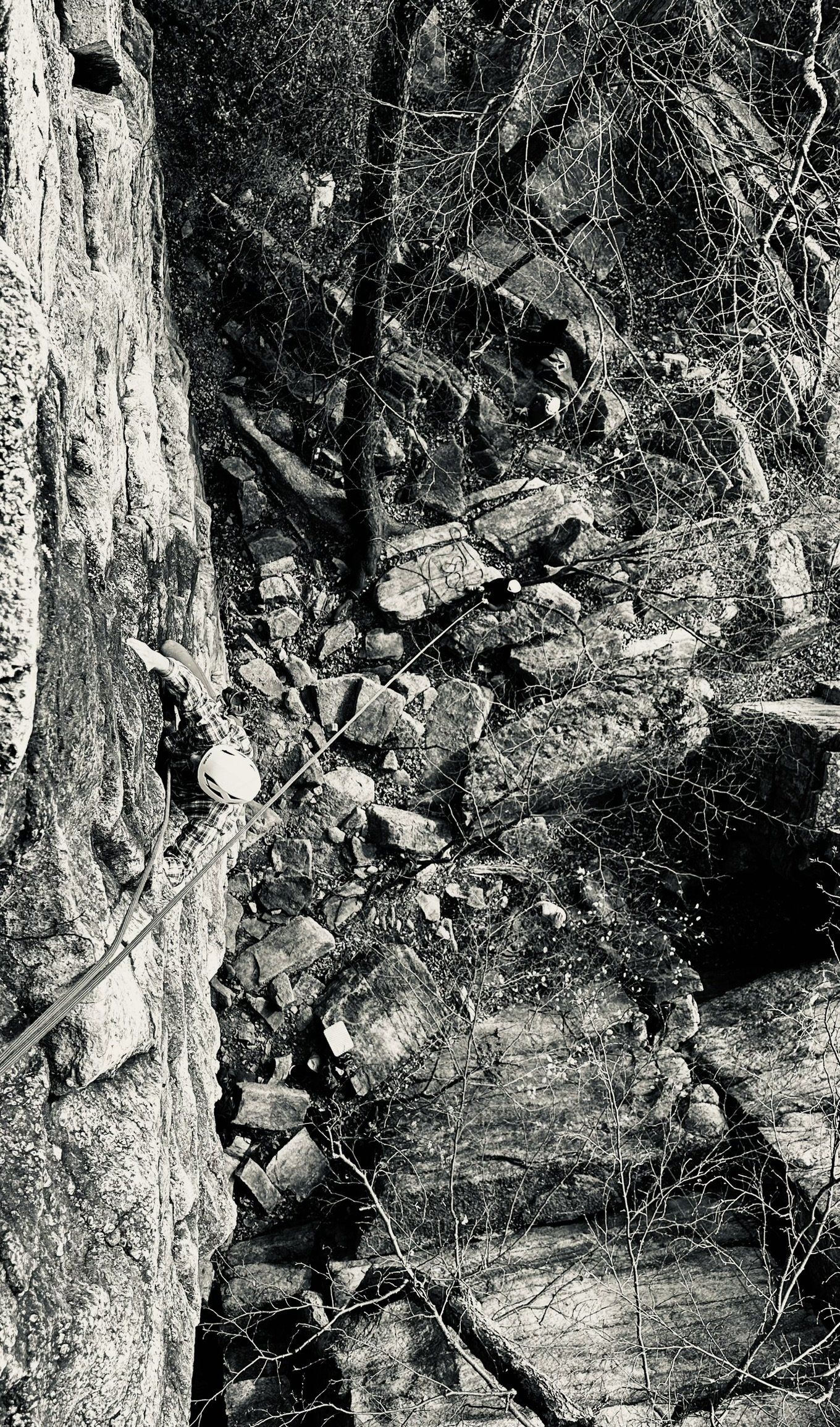


Today, we’re groups of dads who climb together.
Tomorrow, we’re what we make it.
The Benefits of Rock Climbing: Strength, Focus, and Connection
Rock climbing is a unique pursuit that goes beyond the typical gym workout. It offers a dynamic blend of physical challenge, mental engagement, and social connection, making it a powerful way to enhance overall well-being and maintain vitality.
Functional Fitness and Physical Vitality
Climbing is a rigorous, full-body activity that builds practical strength and fitness.
It engages major muscle groups in both the upper and lower body, improving power and core stability while providing a cardiovascular workout comparable to running a mile in 8 to 11 minutes.
Unlike repetitive weightlifting, the diverse movements required to navigate a wall improve flexibility, balance, and grip strength-physical traits that are essential for maintaining functional independence and preventing injury as we age.
Mental Clarity and "Flow"
Beyond the physical exertion, climbing acts as a "puzzle" for the body and mind.
The sport requires intense concentration and on-the-fly problem-solving to determine the best route up the wall.
This cognitive demand creates a state of "flow"-a deep sense of absorption in the present moment where outside distractions and daily stressors fade away.
This distinct mental focus not only sharpens memory and decision-making skills but also provides a natural "mental reset" that boosts mood and fosters resilience against daily stress.
Building Trust and Community
Finally, climbing is inherently social.
Whether you are bouldering with a group or roping up with a partner, the activity relies on communication, shared responsibility, and trust.
This shared experience fosters a strong sense of camaraderie and belonging, creating a supportive "tribe" environment.
This social connection is often cited as a primary reason people stick with the sport long-term, transforming exercise from a chore into a rewarding social lifestyle.
References
Bartolo, M. et al. (2025). Exploring the role of the rock climbing Treadwall as a novel therapy tool in physical rehabilitation. PM&R.
Boudreau, P. et al. (2022). Optimal psychological states in advanced climbers: Antecedents, characteristics, and consequences of flow and clutch states. Psychology of Sport and Exercise.
Giles, L. V. et al. (2006). The physiology of rock climbing. Sports Medicine.
Kurten, J. (2010). Who Are Climbing Walls? Exploration of the Social World of Indoor Rock Climbing. Texas A&M University.
Lautner, S. C. et al. (2020). Exploring the social side of CrossFit. Sociology of Sport Journal.
Mermier, C. M. et al. (1997). Energy expenditure and physiological responses during indoor rock climbing. British Journal of Sports Medicine.
Nielsen, G. et al. (2014). Health promotion: the impact of beliefs of health benefits, social relations and enjoyment. Scandinavian Journal of Medicine & Science in Sports.
Osborne, E. C. et al. (2025). Indoor climbing and well-being of young adults: Perspectives among indoor climbers. PLOS ONE.
Time Magazine. (2023). The Mental and Physical Health Benefits of Rock Climbing.
Wheatley, K. A. (2021). Exploring the relationship between mindfulness and rock-climbing: a controlled study. Current Psychology.
Wise, A. (2014). How Rock Climbing Does Your Mind -- And Body -- Good. HuffPost.
The health benefits of rock climbing are only part of the story.
The Psychology of rock climbing: A systematic review - Psychology of Sport & Exercise
Whole body coarticulation reflects expertise in sport climbing - Journal of Neurophysiology
How Rock Climbing Builds Muscle, Mindfulness and Community - Newsweek Magazine
Climbing Has a Positive Impact on Low Back Pain: A Prospective Randomized Controlled Trial - Clinical Journal of Sports Medicine
Heart Rate Response, Duration, Grip Strength, and Anthropometric Characteristics in Recreational Indoor Rock Climbers - Journal of Strength and Conditioning Research
The exercise pressor response to indoor rock climbing - Journal of Applied Physiology
Benefits of Rock Climbing Explained - Uphill Athlete
Rock Climbing Is a Thrill. It’s Also Really Good for You - TIME
The therapeutic effects of climbing: A systematic review and meta-analysis - Journal of Injury, Function & Rehabilitation
Exploring the relationship between mindfulness and rock-climbing: a controlled study - Current Psychology
How even just 15 minutes in nature can boost your wellbeing - The Conversation
The psychology of rock climbing: A systematic review - Psychology of Sport and Exercise